+91 7617005462


The last, irreversible stage of chronic liver disease is end-stage liver disease (ESLD), in which the liver has become so badly damaged that it is unable to carry out its essential tasks. This illness, sometimes referred to as decompensated cirrhosis, can be fatal and causes a lot of problems. It is estimated that liver disease causes over two million deaths worldwide each year, or 4% of all deaths.
This article explores the diagnosis, management, and treatment of ESLD, from conventional therapies to emerging medical advancements, to provide a clear roadmap for navigating this complex condition.
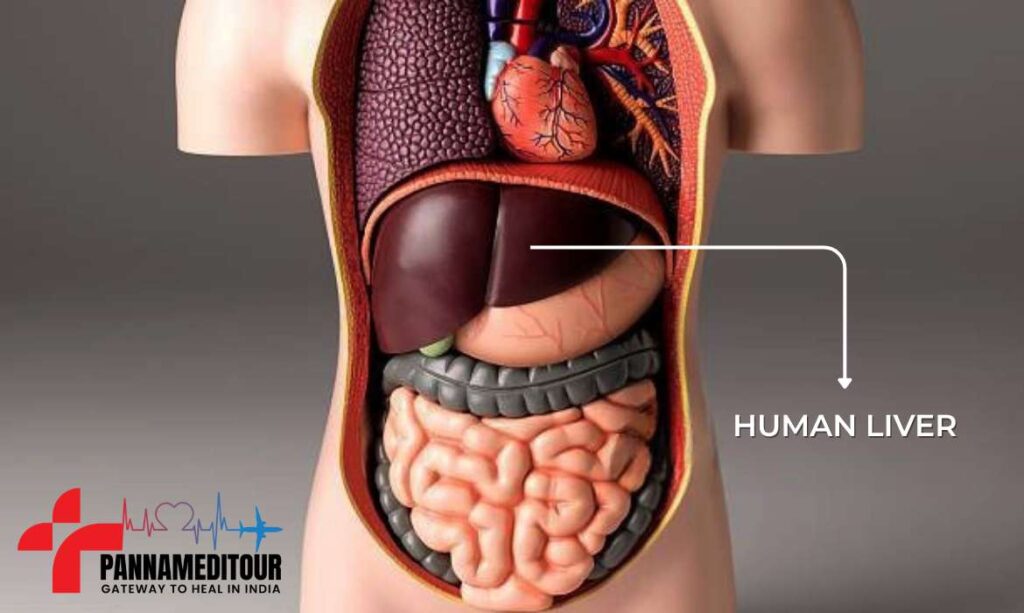
How Does End-Stage Liver Disease Develop? A Step-by-Step Look
ESLD is the result of several chronic liver illnesses that develop into cirrhosis, fibrosis (scarring), and inflammation. A decompensated state occurs when the liver cannot perform its functions, which include filtering blood, making proteins, and processing nutrients. This can result in major health problems.
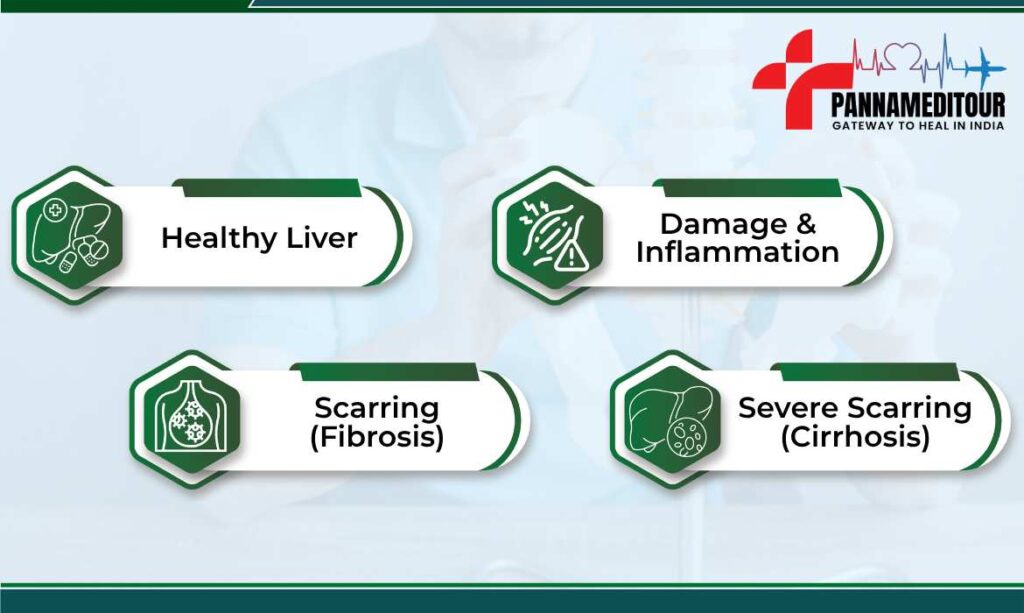
The following are typical issues that indicate the start of ESLD:
- Ascites: the buildup of fluid in the abdomen.
- Hepatic Encephalopathy (HE): A reduction in brain function brought on by the liver’s incapacity to eliminate poisons from the blood.
- Variceal Bleeding: bleeding from enlarged stomach or esophageal veins brought on by elevated portal vein pressure (portal hypertension).
- Spontaneous Bacterial Peritonitis: A disease of the ascetic fluid.
- Hepatorenal Syndrome: People with severe liver disease who have kidney failure.
Diagnosing and Staging ESLD: What is the MELD Score?
Determining the best treatment plan for end-stage liver disease requires accurate diagnosis and staging. The Model for End-Stage Liver Disease (MELD) score is the main instrument used to rank patients for liver transplantation and determine the severity of ESLD. For patients with advanced liver disease, the MELD score is a statistical model that forecasts the likelihood of surviving for 90 days.
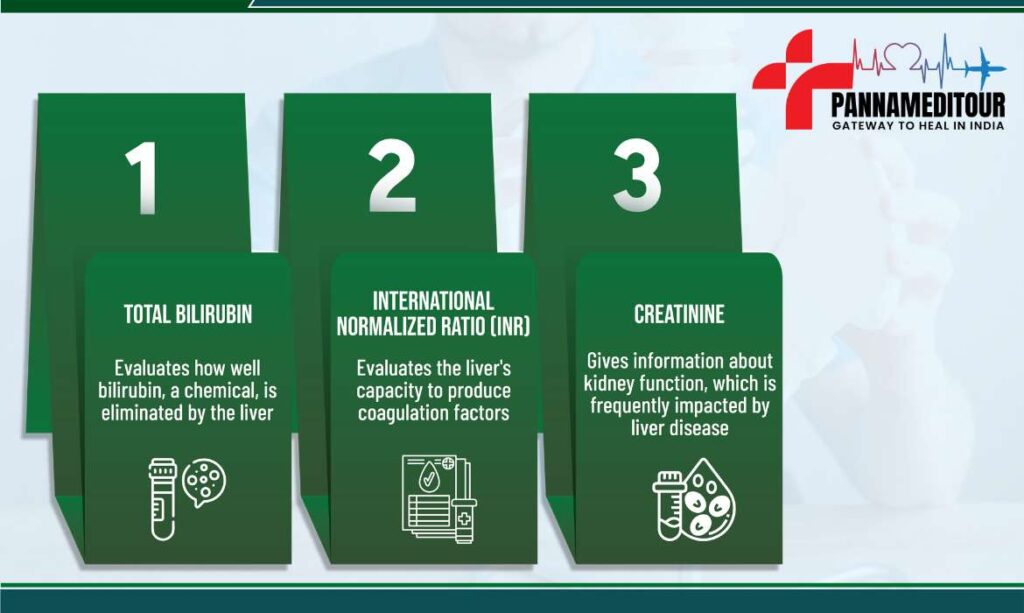
Three important lab findings are included in its calculation:
- Total Bilirubin: evaluates how well bilirubin, a chemical, is eliminated by the liver.
- International Normalized Ratio (INR): Evaluates the liver’s capacity to produce coagulation factors.
- Creatinine: Gives information about kidney function, which is frequently impacted by liver disease.
A more serious disease and a higher need for a liver transplant are indicated by a higher MELD score, which ranges from 6 to 40. Children under the age of twelve use the PELD score, a pediatric variant.
Managing ESLD Complications: Bridging the Gap to Transplant
Although there is no cure for ESLD except liver transplant, treating its effects is an important aspect of managing the disease to enhance quality of life and buy time until a transplant may be possible.
- Hepatic Encephalopathy: The goal of treatment is to rid the intestines of toxins. Usually, lactulose, a laxative that aids in intestinal cleansing, and antibiotics like rifaximin are used to lessen the number of bacteria that produce toxins.
- Ascites: The treatment consists of a low-sodium diet, water pills called diuretics to eliminate extra fluid, and, in extreme situations, a technique known as paracentesis to drain the fluid from the belly.
- Variceal Bleeding: These treatments include bands to halt the bleeding and drugs to lower portal vein pressure. To relieve pressure and redirect blood flow, a transjugular intrahepatic portosystemic shunt (TIPS) may be implanted.
The Final Therapy: Liver Transplantation
For most patients with ESLD, a liver transplant is the only definitive cure. In this surgical operation, a healthy liver from a deceased or, in certain situations, a living donor replaces the damaged liver. However, the need for donor livers is significantly greater than the supply. Less than 10% of the world’s required liver transplants are thought to be fulfilled, and waiting list mortality rates are still high.
The main criterion for allocating dead donor organs is the MELD score, which guarantees that the sickest patients receive them first.
Types of Liver Transplant: A Comparison
There are two possible sources of livers for transplantation: living donors and deceased donors.
| Feature | Deceased Donor Transplant | Living Donor Transplant |
|---|---|---|
| Source | Liver from a person declared brain-dead. | A segment of liver from a healthy, living person. |
| Procedure Type | The most common type of liver transplant. | A planned, alternative procedure to reduce wait times. |
| Liver Portion | The entire liver is transplanted. | A portion of the liver is transplanted. |
| Regeneration | Not applicable for the donor. | Both the donor’s remaining liver and the recipient’s new segment regenerate to full size. |
| Wait Time | Can be long; depends on MELD score and organ availability. | Significantly shorter, as it is a scheduled surgery. |
| Primary Benefit | Utilizes available organs to save lives. | Offers a timely, life-saving option with excellent outcomes. |
The Liver Transplant Procedure Explained
A liver transplant is a difficult and drawn-out procedure that usually takes five to eight hours to complete. An orthotopic liver transplant is a process that has two primary steps:
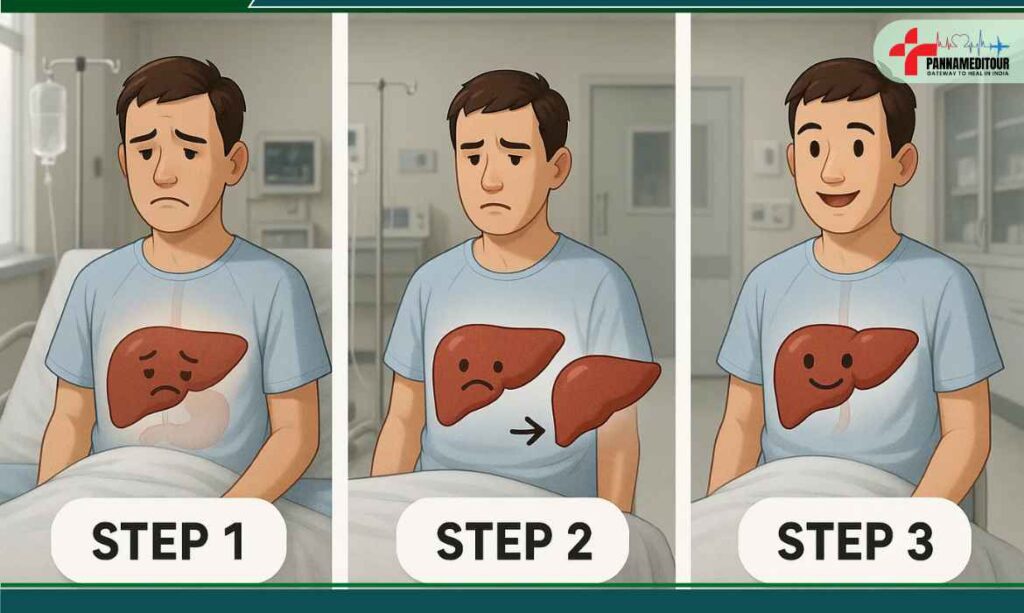
- Hepatectomy (Removing the Diseased Liver): The surgeon carefully removes the patient’s diseased liver. This can be challenging if the patient has severe portal hypertension or prior abdominal surgeries.
- Implantation (Placing the New Liver): The donor liver is positioned in the same spot. The surgeon carefully attaches the bile duct, portal vein, hepatic artery, and inferior vena cava to the new organ to reestablish normal function.
Read more: COPD Stages and Treatment: GOLD Criteria, Symptoms, and Best Care Options
Factors Influencing Transplant Success
The following variables may affect how a liver transplant goes:
- Donor and Recipient Match: Blood type and liver size compatibility are essential. Rejection is less when there is a good fit.
- Patient’s Overall Health: Health before the transplant is very important. Underlying conditions like severe heart disease or kidney failure can increase risks.
- Timing of the Transplant: Receiving a transplant before becoming critically ill can increase the chances of success.
- Post-Transplant Care: To avoid problems and guarantee the new liver’s long-term function, diligent follow-up care and medication, and lifestyle guidelines are essential.
Challenges in Liver Transplantation
Even though liver transplantation can save lives, there are still many obstacles to overcome:
- Organ Shortage: The demand for donor livers far exceeds the supply. Globally, it’s estimated that transplantation meets less than 10% of the need, and a significant number of patients die while on the waiting list.
- High Costs: For individuals and healthcare systems, the expense of the procedure, ongoing medication, and intensive aftercare can be a significant financial burden.
- Surgical Complications: Risks associated with a liver transplant include bleeding, infection, blood clots, and issues with the bile ducts, much like with any major surgery. Even though organ rejection is frequently treatable with medicine, it is still a worry.
Recovery and Life After Transplant

The recovery journey after a liver transplant is gradual and requires careful management.
- Immediate Post-Surgery: After a few days of intensive care unit (ICU) monitoring, patients usually spend five to ten days in the hospital.
- Lifelong Medication: Immunosuppressive drugs are required for life to keep the immune system from rejecting the new organ.
- Long-Term Health and Follow-up: It may take six months or more to fully heal. To preserve the replacement liver, a healthy lifestyle is required, which includes eating a balanced diet and abstaining from alcohol.
Read more: Hip Arthroplasty vs Hip Replacement Surgery: Complete Guide to Procedure, Types, Risks & Recovery
Conclusion
A serious health concern with a high mortality rate is end-stage liver disease. Although liver transplantation is still the only procedure that can cure a patient, not everyone can get one; a multifaceted strategy is therefore crucial. To enhance quality of life, palliative care should be incorporated early, the disease’s consequences should be aggressively managed, and research into cutting-edge treatments like cell therapy should be advanced.
For millions of patients worldwide, the possibility of novel, efficient treatments is a ray of hope as our knowledge of immunomodulation and liver regeneration grows.
Want to know more about liver transplant treatment? Contact us now!
Frequently Asked Questions
1. Who can donate a liver transplant?
A person may be eligible to donate a portion of their liver if they are between the ages of 18 and 60, in good physical and mental health, and have a suitable blood type and body size.
2. When liver transplant needed?
When a liver’s function is severely impaired due to end-stage chronic liver disease (like cirrhosis from viral hepatitis, alcoholic liver disease, or fatty liver disease) or acute liver failure (sudden, rapid loss of function from causes like acetaminophen overdose or viral hepatitis.
3. What is liver transplant surgery?
A liver transplant is a major surgery where a diseased liver is replaced with a healthy one from either a deceased or living donor.
4. What are the last stages of liver failure?
Common symptoms of End-Stage Liver Disease are: Fatigue, feeling lethargic. Not sleeping well. Yellow, green, or gray skin and eyes (jaundice).
5. What are the worst things for your liver?
Here are some of the worst offenders when it comes to liver health:
- Processed Sugar and Sugary Drinks. Excess sugar, especially from sodas, energy drinks, and desserts, can overload your liver.
- Alcohol.
- Fried and Fast Foods.
- Red and Processed Meats.
- White Bread, Past, and Refined Carbs.
- High-Sodium Foods.