Healthcare

Best Cardiologists in India

Best Cardiologists in India – Why They’re Among The World’s Best

Looking for the Best Cardiologist in India? Here’s Why the World Trusts Them. Heart disease continues to be a major global health concern. However, when it comes to high-quality and affordable cardiac care, India is home to some of the best cardiologists in the world. Patients from across the globe now travel here to consult the Best cardiologist in India for better care. With high success rates and affordability, India has become a medical tourism hub for cardiac care. According to India Today, India ranks among the top 5 global destinations for heart procedures. According to the WHO, four out of five heart disease deaths are due to heart attacks and strokes, and one-third of these deaths occur prematurely in people under 70 years of age. Whether you need a stent, bypass surgery, or advanced intervention like TAVR or heart transplant, India has become a trusted destination for patients around the world. In this blog, we’ll break down the reasons why Indian cardiologists are so highly respected globally, what makes India a hub for heart treatment, and how patients (both local and international) benefit from their care. Who Are Cardiologists and What Do They Do? A cardiologist is a heart specialist who diagnoses and treats heart and blood vessel conditions. From managing high blood pressure to treating heart attacks, they ensure your heart stays healthy and strong with expert care. Common Conditions Treated by Cardiologists: Coronary artery disease Heart failure Irregular heart rhythms (arrhythmias) Heart attacks and strokes Structural heart defects Congenital heart diseases Cardiologists can also specialize further into: Interventional cardiology (stents, angioplasty) Electrophysiology (pacemakers, arrhythmia treatment) Pediatric cardiology Cardiothoracic surgery In India, many cardiologists are trained in super-specialties and follow global treatment protocols, making them comparable (and sometimes superior) to their counterparts in the US, UK, or Europe. What Makes Indian Cardiologists So Respected? Rigorous Training & Global Exposure Indian cardiologists undergo extensive training, including MBBS, MD (Internal Medicine), and DM (Cardiology), which often takes over 10–12 years.Many also: Train or work in the USA, UK, Germany, or Canada Earn international fellowships (FACC, FSCAI, FRCP) Stay updated through global medical conferences and publications This global exposure means they are not only highly skilled but also up to date with the latest technology, procedures, and evidence-based care. Understanding Cardiology and Its Role in Healthcare Cardiology is the branch of medicine that deals with disorders of the heart and parts of the circulatory system. Timely diagnosis and treatment are crucial for conditions such as: Coronary Artery Disease (CAD) Congenital Heart Defects (common in newborns) Heart Rhythm Disorders (Arrhythmias) Cardiomyopathy Hypertension and Heart Failure Who Needs Cardiology Treatment? Heart-related conditions can affect people at any stage of life. Here’s a quick overview by age group: Age Group Common Cardiac Conditions Newborns & Infants Atrial/Ventricular Septal Defects, blocked arteries Children & Teens Congenital abnormalities, rheumatic heart disease Adults Hypertension, coronary artery blockages, and valve disorders Seniors Heart failure, arrhythmias, and age-related atherosclerosis Heart Health for Different Age Groups Age Group Heart Health Focus Key Recommendations Teens & 20s Foundation & prevention Start active habits, eat fiber-rich foods, and reduce junk food 30s & 40s Monitoring & control Check cholesterol, avoid stress, and stay physically active 50s & 60s Monitoring & control Include supplements, limit alcohol, manage weight, and BP 70+ Maintenance & support Mild exercise, monitor medications, prioritize whole foods Heart Tests to Keep in Check Make these routine checks a part of your preventive healthcare: Lipid Profile (cholesterol levels) ECG or EKG Blood Pressure Monitoring C-Reactive Protein (CRP) for inflammation Echocardiogram if advised Blood Sugar Levels (linked to diabetes and heart risk) There has been an increase in heart attack deaths over the past three years, possibly linked to the lasting effects of the COVID -19 pandemic in India. Recent data from the National Crime Records Bureau (NCRB) reveals a significant 12.5% rise in heart attack cases in 2022 alone. Regular heart monitoring isn’t just for the elderly or those with symptoms, it’s for everyone. Early detection can save lives. Prioritize your heart health with timely checkups and lifestyle changes. Lifestyle Tips for a Happy Heart Stay Active 150 minutes of moderate exercise weekly can significantly reduce heart risk. Try brisk walking, cycling, swimming, or dance workouts. Manage Stress Practice yoga, deep breathing, and meditation to reduce cortisol levels. Chronic stress is a silent killer for heart health. Quit Smoking Within 1 year of quitting, your risk of coronary heart disease drops by 50%. Sleep Smart Aim for 7–8 hours of uninterrupted sleep. Poor sleep is linked to hypertension and heart problems. Top Cardiac Procedures Available in India India offers a full spectrum of invasive and non-invasive cardiac procedures using internationally accepted protocols: Angiography & Angioplasty: Diagnosing and treating blocked arteries Bypass Surgery (CABG): Creating alternative pathways for blood flow Valve Repair & Replacement: Open-heart or transcatheter procedures Pacemaker/ICD Implantation: Managing abnormal heart rhythms Pediatric Cardiac Surgeries: Repairing congenital heart defects in children Why India Stands Out in Cardiac Care India’s healthcare ecosystem stands out in the world of cardiac care for several compelling reasons: Highly Qualified CardiologistsMany Indian heart specialists have trained in the US, UK, or Europe and bring global expertise to the table. Advanced TechnologyHospitals are equipped with robotic surgery tools, AI-driven diagnostics, and 3D mapping for arrhythmias. Cost-Effective TreatmentCardiac surgery in India can cost up to 60 % less compared to Western countries without compromising quality. Minimal Waiting PeriodFast-track appointments and surgeries are common, reducing risk during critical timelines. Holistic AftercareCardiac rehab, physiotherapy, mental wellness, and nutrition counseling are all integrated into postoperative care. Top NABH -Accredited Cardiology Hospitals in India for World-Class Heart Care Here are some of the top-rated hospitals offering world-class cardiac services. Hospital Questions Location(s) Fortis Hospitals Want to consult the best doctors at Fortis? Contact Panna Meditour New Delhi, Noida, Mumbai, Gurugram Fortis Escorts Heart Institute Looking for expert heart surgeons with proven results? Reach out via Panna Meditour New Delhi 110025 BLK-Max Need affordable heart surgery at a leading Delhi

Best Cardiologists in India – Why They’re Among The World’s Best Read More »

Healthcare

Unlocking a Healthier Life : Nourishing Your Organs with the Right Diet

In this fast paced life, unlocking a healthier life means taking care of all aspects of your physical and mental well being. This healthy lifestyle can be achieved by including high nutrient value food and supplements in your routine diet and indulging in physical exercises, yoga / meditation practices, ayurveda treatments etc.  In this blog, we will explore various nutrient rich foods such as fresh fruits, vegetables, nuts, seeds, whole grains, legumes etc. and supplements which not only adds value to your life but are also highly beneficial for your bones, heart and liver.  “To keep the body in good health is a duty…otherwise we shall not be able to keep the mind strong and clear.” – Buddha Importance of Healthier Life Key to a healthier life is being energetic, charged inside out, vibrant and feeling good all the time. It’s not about absence of illness but remaining lively physically and mentally all the time. By opting for nutrient rich diet and essential supplementation, we can step ahead for a healthy life, soulful thinking and higher energy levels.    “Those who have no time for healthy eating will sooner or later have to find the time for illness.’’ – Edward Stanley Key Diet Ingredients These can be a wide variety of fresh fruits, raw vegetables, legumes (eg. lentils and beans), nuts and whole grains (eg. unprocessed maize, oats, millets, wheat, brown rice etc. ) included in your diet for overall health benefits. Choosing a nutritious diet is one aspect of achieving good health, supplements play a vital role to fill gaps that arise due to modern fancy food, age related changes or specific health concerns. These supplements include vitamins, minerals and trace elements required by the body in substantial amounts for your well being. 1.  Vitamins are of two types : Fat soluble Vitamins These Vitamins (A,D,E & K) are mainly found in animal fats, vegetable oils, dairy foods, liver, oily fish. These are required by the body for functioning and maintenance but we don’t need to intake them everyday Water soluble Vitamins Water soluble Vitamins (Vitamin C, B Vitamins and folic acid) are present in fruits and vegetables, grains, milk and dairy foods. These Vitamins are not stored in the body so we need to take them regularly. 2.  Minerals Minerals essential for the body comprise of Calcium, Sodium, Iron, Potassium, Magnesium etc. found in meat, cereals, fish, milk and dairy foods, fruits and vegetables, nuts etc. Intake of minerals is necessary for strong bones and teeth, maintaining body fluid inside and outside cells and turning food into energy. 3.  Trace elements These are also essential nutrients that our body needs in smaller amounts to work properly ie. iodine and fluorine. They are found in a variety of foods such as vegetables, milk and dairy foods, cereals, nuts, meat and fish. Building Bone Health Bone health becomes critical with age due to weakening of our skeletal system which may degenerate slowly due to osteoporosis. Hence nutrient rich diet is the key for robust skeletal system and healthy mind and body. 1.  Nutrient Rich Diet for Bones Healthy & strong bones need adequate quantities of calcium rich and Vitamin – D rich foods & supplements in diet such as : Dairy foods : Milk, yogurt and cheese are good source of Calcium and Vitamin D Leafy Greens : Kale, broccoli and collard greens are rich source of calcium Fortified Foods : Some plant based alternatives like soy milk and yogurts are fortified with calcium and vitamin D Fish : Vitamin D, necessary for calcium absorption can be obtained from fatty fish (salmon, sardines, mackerel), egg yolks, fortified foods such as some fat spreads and breakfast cereals as well as sunlight exposure Tofu, certain nuts and bread made of fortified flour also contributes to bone health. 2. Supplements for Bone Health  Calcium Supplements : Highly beneficial for those diagnosed with osteoporosis or post menopausal women having low calcium intake and vegans having dietary restriction. Thus they need to get it from other foods like fortified soya, rice and oat drinks, soya beans, pulses, calcium set tofu, sesame seeds and tahini, dried fruit such as raisins, prunes, figs and apricots etc.  Vitamin D3 : Required for absorption of calcium supplements in optimum quantity for maintaining healthy bones and avoiding fractures Collagen Supplements : Collagen Supplementation leads to high bone density and supports overall joint health Magnesium and Potassium : These minerals also play a role in bone health and can be found in foods like leafy greens and citrus fruits  Healthy Heart Diet Cardiac Ailments are one of the most emerging threats for heart health all over the world. However choosing the right food diet along with healthy supplementation can lead to overall good health and strong healthy heart     1.  Heart Healthy Foods :   Heart healthy foods means choosing certain foods like fruits and vegetables and restricting others like saturated fats and sugars such as :  Fresh Vegetables like leafy greens (spinach, kale, cabbage, collard greens, broccoli and carrots) Anti – oxidant rich fruits such as berries, citrus fruits, apples, bananas, pears, grapes, prunes etc.  Whole grains such as oats, quinoa, barley, brown rice, whole grain bread which have fiber and tends to lower cholesterol and blood sugar levels   Low fat dairy products like milk, cheese or yogurt Protein enhanced diet such as fish (salmon, sardines, tuna) high in omega – 3 fatty acids, lean meats, eggs, walnuts, flax seeds and chia seeds. Omega-3 reduces inflammation and helps maintain healthy blood vessel function. Oils & Food high in monounsaturated and polyunsaturated fats like olive, sunflower, sesame, canola, safflower, soybean oils Nuts (walnuts, almonds etc.), seed butters, seeds (sesame, sunflower, flax, pumpkin), avocados etc.         “What most people don’t realize is that food is not just calories: It’s information. It actually contains messages that communicate to every cell in the body.” – Dr. Mark Hyman 2. Restricted Foods : Foods limited for maintaining heart health are low sodium, less sugars, limit saturated fats,

Unlocking a Healthier Life : Nourishing Your Organs with the Right Diet Read More »

Healthcare

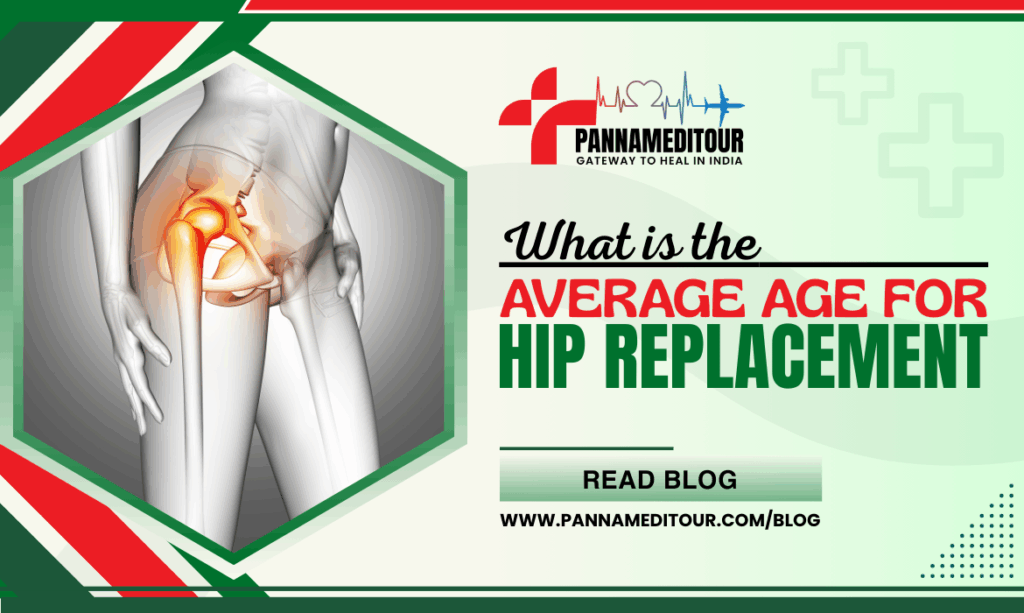
What is the Average age for Hip Replacement?

Average age for Hip Replacement is somewhat around 50 to 80 years though the majority of operations are performed on those people between 60s to 70s years. Hip Replacement Surgery also known as hip arthroplasty is one of the most common orthopaedic care surgeries done these days to replace the damaged or inflamed hip joint  due to arthritis, osteonecrosis, fractures or injuries etc. with a prosthetic implant. The artificial component may be made of metal, ceramic or hard plastic. The surgery relieves the patient of pain in hip joints, improves mobility and restores function in day to day life.  Now the most common question regarding hip replacement asked is : What is the average age for hip replacement ?  The average age for hip replacement is around 65 years old however even younger people in their 40s and 50s are also opting for this surgery due to early age arthritis and hip fractures etc.  Hip replacement surgery is required only when :  Medication, physical therapy treatment and lifestyle changes does not provide any relief Walking and climbing stairs is difficult even with an aid  Sleep is affected Understanding the Hip Structure / Functioning The hip joint is like a ball and socket joint formed by the integration of the femur bone head (the ball head) with the acetabulum (the socket) of pelvis providing stability and a range of movements to support the legs. When there is loss of mobility and pain in the hip joint due to wear & tear, injuries etc. hip replacement is recommended Hip Implants have a life longevity of about 10 – 20 years though in some cases may even last longer.  Causes of Hip Replacement Surgery There are a varied no. of causes leading to degeneration / wear & tear of hip joints thus necessitating for hip replacement :  Osteoarthritis : The most common cause, where the cartilage cushioning the hip joint wears down over time, leading to pain and stiffness.  Rheumatoid arthritis : It is caused by an overactive immune system which results in inflammation of the bones eroding the cartilage thus facing bone deformation and pain.  Osteonecrosis : In this condition, blood supply to the ball of hip joint is disrupted which may result in bone dislocation or fracture or bone may collapse Hip Fractures – Common in older adults, hip fractures due to falls or accidents often necessitate replacement. Developmental Hip Dysplasia – A congenital condition where the hip joint does not develop properly, increasing the risk of arthritis later in life. Young Age Hip Injuries – Trauma from sports injuries or accidents can cause long-term joint damage, leading to early hip replacement. Obesity and Sedentary Lifestyle – Excess weight puts additional strain on hip joints, accelerating wear and tear. Factors Influencing Average Age for Hip Replacement Surgery Some of the leading factors influencing the age for hip replacement procedure are :  Severity of Joint Damage – Individuals experiencing severe pain and reduced mobility may require surgery earlier in life.  Lifestyle and Activity Level – Athletes or highly active individuals may develop joint problems due to hip fractures or groin injuries, necessitating surgery at a younger age.  Medical Advancements – Newer implant materials and minimally invasive techniques have made hip replacements more durable, encouraging younger patients to undergo the procedure. Rising Cases of Osteoarthritis in Younger Patients – Due to obesity, sedentary lifestyles, and previous joint injuries, many individuals are experiencing arthritis at a younger age.  Post Surgical Care & Rehabilitation For faster recovery and pain free life, post surgical care and rehabilitation are essential for patients undergoing hip replacement surgery. This includes 👍 Attend all your doctors and physiotherapists scheduled appointments  Walking during the day under someone’s supervision is recommended  Initially you may need a walker or crutches for walking and later on shift to cane   Avoid bending the hip more than 90 degrees Don’t twist the upper body when standing Sleep on your back for first few days  Do not sit or stand cross legged  Eat healthy, nutritious food and maintain weight for faster healing and avoiding complications Do not drive until the surgeon permits you  Engage in physical therapy sessions and exercises regularly to improve range of motion and strengthen hip muscles     Younger vs. Older Patients : Pros and Cons of Hip Replacement Surgery While hip replacement offers life-changing benefits, the decision to undergo the procedure at a younger or older age has its pros and cons. Younger Patients: They may experience a longer period of pain relief but are more likely to require a revision surgery later in life due to the wear and tear of the artificial joint. Older Patients: They may not require a second surgery, as modern implants last between 15-25 years, but recovery may take longer due to age-related factors. Risks & Complications Various risks & complications associated with hip replacement surgery are :  During Surgery Chances of excessive bleeding thus requiring blood transfusion  Risk of nearby blood vessels or nerves getting damaged during surgery  During operation, healthy portions of the hip joint may get fractured  Anaesthesia risks like in any other procedure Post Surgery Sometimes Occurrence of infection around the incision area or new hip implant which is treated with antibiotics   Blood Clot Formation may happen in leg veins which can travel to lungs, heart or brain posing serious threat to life  The hip joint may dislocate after some time thus requiring brace for support or revised surgery  Leg length discrepancy may arise as the leg whose hip is replaced may end up slightly longer or shorter than the other. But this slight difference is not noticeable to others   During surgery, a nerve or tissue or ligament around the hip joint may damage. But this can be repaired during surgery or heal itself afterwards Sometimes, during or after surgery, fracture of the femur or pelvis may occur which can be fixed at that time  Hip dislocation is possible soon after the surgery or years later resulting in pain or swelling.

What is the Average age for Hip Replacement? Read More »

Healthcare
Knee Replacement Surgery in India is gaining immense popularity these days among people having arthritis, injuries or other degenerative joint issues resulting in painful, weak joints thus attracting both global and domestic patients due to affordable medical treatment, best healthcare facilities / hospitals, highly skilled & experienced doctors and no long queues for treatment. Our blog gives a comprehensive view of various aspects of Knee Replacement Surgery in India like what is Knee Replacement Surgery, Who needs it, types of Knee Replacement Surgery, procedure and postoperative guidance, its benefits & risks / complications before and after operation and conclusion

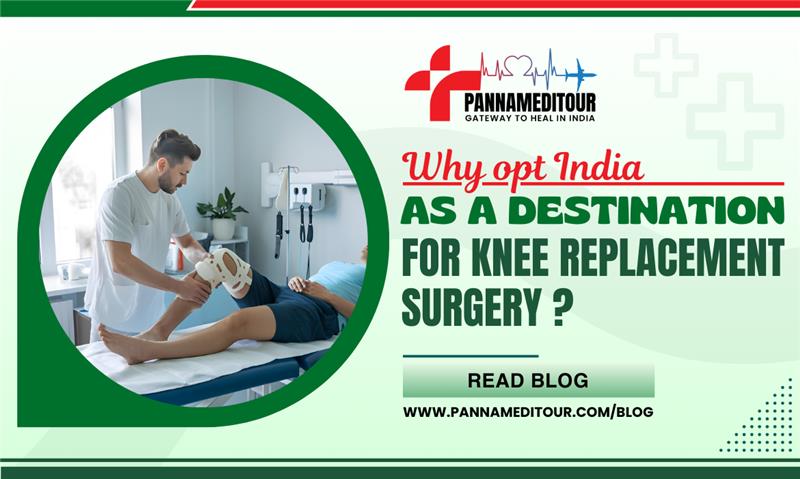
Why Opt India as a Destination for Knee Replacement Surgery ?

Knee Replacement Surgery in India is gaining immense popularity these days among people having arthritis, injuries or other degenerative joint issues resulting in painful, weak joints thus attracting both global and domestic patients due to affordable medical treatment, best healthcare facilities / hospitals, highly skilled & experienced doctors and no long queues for treatment. Our blog gives a comprehensive view of various aspects of Knee Replacement Surgery in India like what is Knee Replacement Surgery, Who needs it, types of Knee Replacement Surgery, procedure and postoperative guidance, its benefits & risks / complications before and after operation, cost of surgery in India etc.   What is Knee Replacement Surgery ? Knee Replacement Surgery also known as Knee arthroplasty is an orthopedic surgical procedure involving the replacement of damaged / worn out knee joint with an artificial implant. This procedure helps patients relieve of pain, restoring joint mobility and resuming normal life style. Who needs Knee Replacement Surgery?           People suffering from severe degenerative joint pain that interferes with routine activities like walking, sitting on the ground and climbing stairs.  Severe knee joint inflammation that doesn’t improve with medications and physical exercise  Knee deformity such as bowing in and out Suffering from knee injuries or fractures  Genetically transmitted disorder so people have arthritis and joint pain Aging which leads to wear and tear of tissues and knee joints Types of Knee Replacement Surgery 1. Total Knee Replacement (TKR) The entire knee joint is replaced with artificial components 2. Partial Knee Replacement (PKR)Only the affected part of knee joint is replaced and is less invasive thus ensuring faster recovery 3. Bilateral Knee Replacement This procedure is required when patients’ both knees need replacement either done simultaneously or in two different process depending on patients’ condition and preference. 4. Revised Knee ReplacementSuch surgeries are performed when initial knee replacement needs change due to infection, wear & tear and other mechanical problems  PROCEDURE FOR KNEE REPLACEMENT SURGERY Preprocedure Examination After admitting, the patient is kept under observation to examine the overall  health & fitness for surgery, conducting various X-rays & MRIs tests to know the severity of knee joint damage Surgical Procedure Usually the operation lasts for 1-2 hours and involves Administering general or spinal anesthesia for performing operation A small incision is made to view the affected knee joint Removing the damaged cartilage and bone and reshaping the joint area for fitting in artificial component Implanting artificial components made of metal, plastic or ceramic using bone cement or press fix technique Ensuring proper alignment and function before closing the incision.  Post Surgical Care & Rehabilitation Post surgery treatment and care is vital for faster recovery and longevity of damaged knee joints. This involves Hospital stay for 1-3 days for pain management and unforeseen complications Physical therapy regime including light exercises for regaining strength and mobility and prevention of blood clotting Medications & Ice therapy for post discharge pain management Follow up Doctor Visits for regular check – ups and smooth recovery Benefits of Knee Replacement Surgery : Significant Pain Relief & enhanced bone mobility and function  Increased quality of life  Long lasting results (Implants can last for 15-20 years Risks & Complications : Many of the risks & complications involved as in any other surgery are  Infections at surgery place causing redness, swelling, pain etc. Blood Clot formation  Implant Loosening or failure Nerve Damage during surgery leading to weakness, sensation missing, tingling and motor function abnormality Stiffness or reduced range of motion  Complications during and after surgery due to pre existing diseases like heart disease, hypertension, diabetes, respiratory problems etc.  However, choosing an experienced surgeon and following post-surgery guidelines can minimize these risks.  Post-Surgery Care Tips : Follow your doctor’s advice on wound care and medications.  Engage in regular, low-impact exercises like walking or swimming.  Avoid high-impact activities like running or jumping.  Maintain a healthy weight to reduce stress on the new knee.  Avoid Smoking and Alcohol intake  Sleep well and stay healthy  Learn managing pain Cost of Knee Replacement Surgery in India Cost of Orthopaedic Surgeries in India is comparatively much lesser as compared to Western countries. The cost of surgery in India will depend upon the type of knee replacement surgery, hospital location, complexity involved, orthopaedic surgeon involved, days of hospital stay (1-4 days ), type of artificial component used, postoperative treatment and rehabilitation care.  For instance, any knee replacement operation in India may cost between USD3500 to USD6000 whereas the same procedure in USA can cost anywhere USD40000 and above  Conclusion Knee replacement surgery can be life-changing for those suffering from severe knee pain and mobility issues. If you’re considering this procedure, consult with a healthcare professional in any of the leading hospitals in India to determine the best course of action for your condition. With proper care and rehabilitation, you can enjoy a pain-free and active life once again.  More & more individuals are choosing India as the ideal medical tourism destination for Joint Replacement,Orthopedic treatments in leading hospitals of India Hope start here, Ready to feel better? Let’s Talk.

Why Opt India as a Destination for Knee Replacement Surgery ? Read More »

Healthcare
Scroll to Top