+91 7617005462

Good Urological health is an important part of general good health, but is often ignored until it is serious. Common urology diseases and symptoms affect all people of all ages and both sexes, and can affect the urinary system and the reproductive organs in men. Symptoms can range from mild Urinary tract infection to chronic prostate conditions; therefore, recognizing the symptoms early can assist in effective treatment and long-term health.
This comprehensive guide explains the most common urology diseases, serving as a urology diseases list with symptoms, causes, risk factors, and guidance on when to consult a urologist.
What Are Urology Diseases?
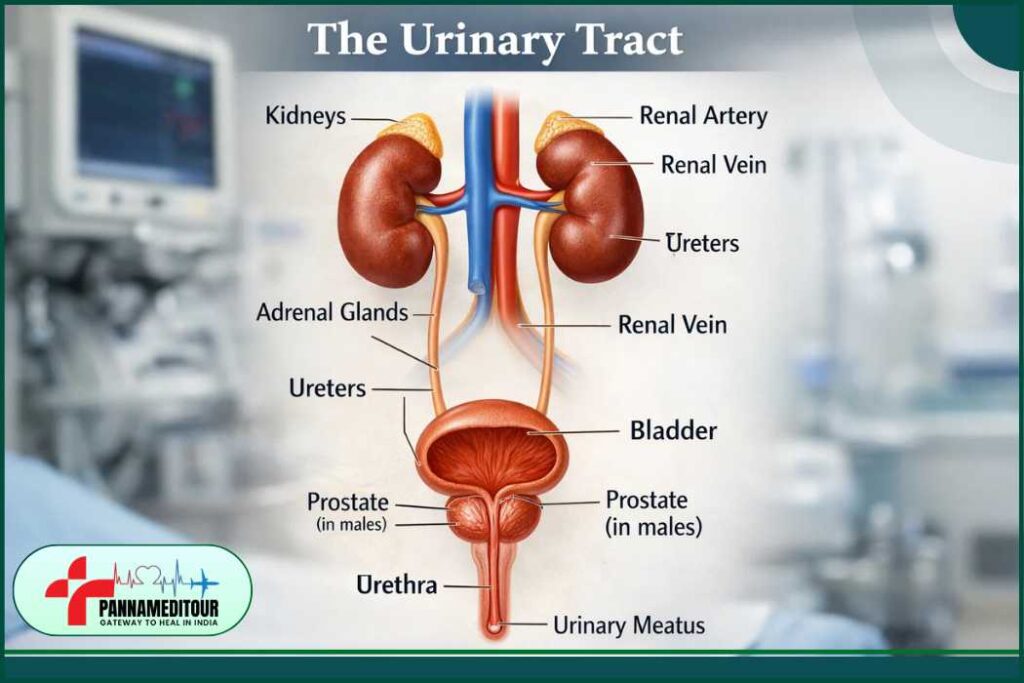
Urology diseases (urology conditions) are medical conditions that affect the urinary tract and the male reproductive system. They can occur as one-time events, may keep coming back, or they could be long-term problems and cause a lot of problems in your day-to-day life if they aren’t treated.
Organs Covered Under Urology
- Kidneys
- Ureters
- Urinary bladder
- Urethra
- Prostate gland
- Testes and penis
Urology physicians, also known as urologists, utilize both medical and surgical techniques (as well as minimally invasive procedures) to diagnose and treat urological disorders for both men and women.
Common Urology Diseases and Symptoms
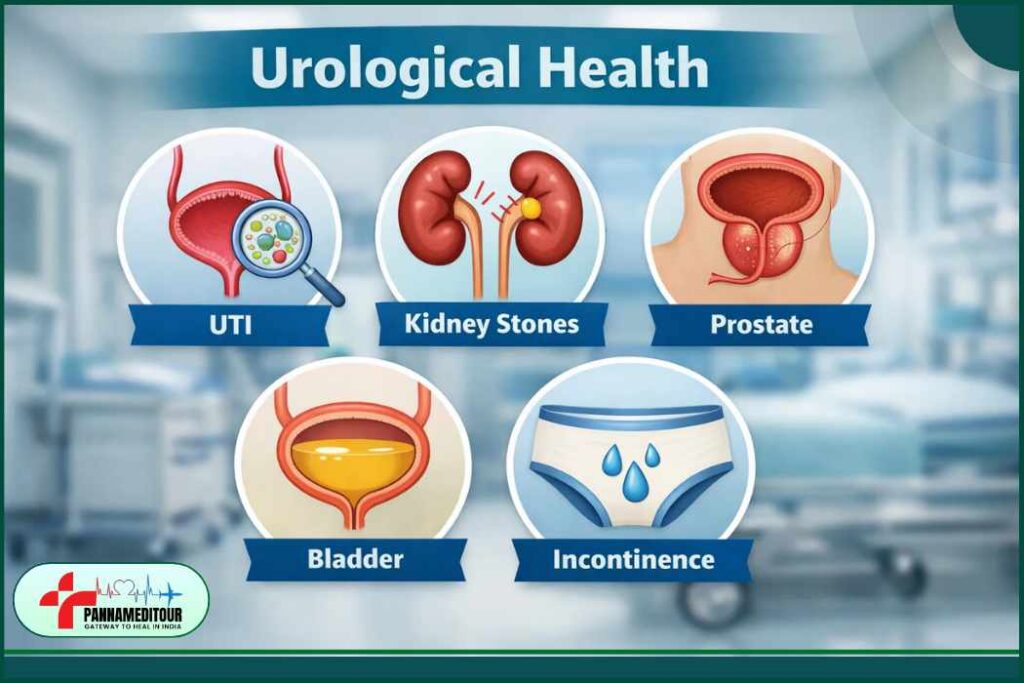
It is important to detect symptoms early on. Here is a list of urological diseases with their respective symptoms described in as clear a manner as possible.
Recommended reading: Difference Between Chondrosarcoma and Osteosarcoma: Symptoms, Causes & Treatment
Urinary Tract Infection (UTI)
Women’s urinary tract infections are among the most widespread urological illnesses.
Symptoms of UTI
- A burning sensation when urinating
- Urgent and frequent desire to urinate
- The colour of urine is cloudy, dark, and/or has a strong odour
- Pain in the lower stomach or pelvis
- In severe cases, a fever or chills
Causes of UTI
- Bacterial Infections (typically E.coli)
- Lack of cleanliness
- Dehydrated
- Lowered immunity
If a UTI is left untreated, it has the potential to infect your kidneys, resulting in severe negative outcomes.
Kidney Stones (Renal Calculi)
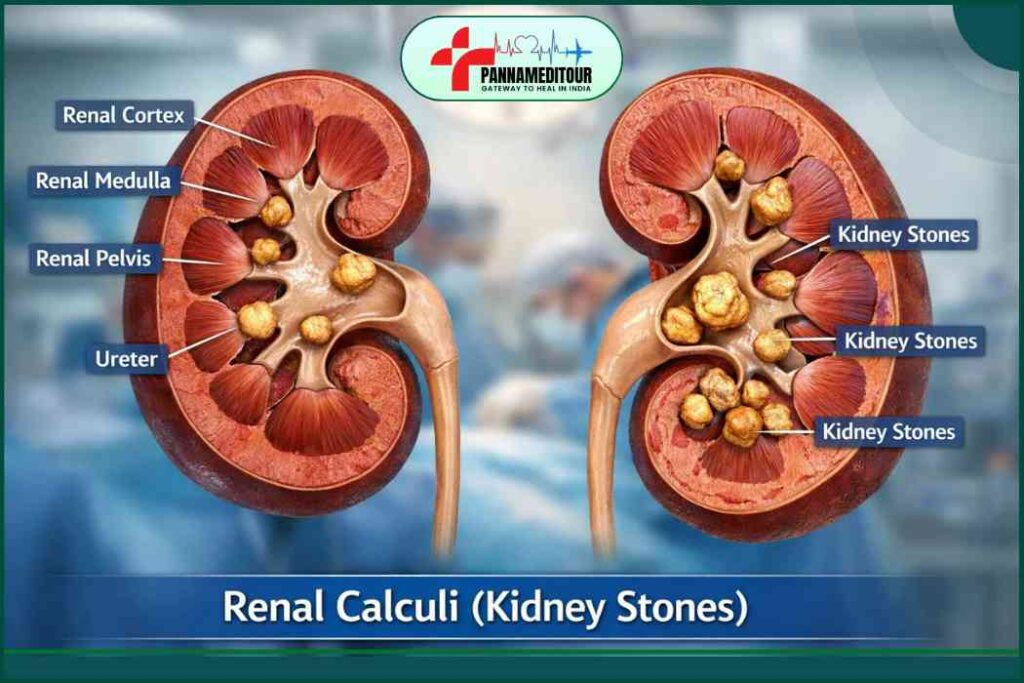
Kidney stones are solid deposits made up of minerals from urine, which can block your urine flow.
Symptoms of Kidney Stones
- Intense pain in the lower side/back pain
- Blood in urine (hematuria)
- Pain when urinating
- Feeling sick/vomiting
- Frequent urination
Risk Factors
- Inadequate water consumption
- A high-salt or high-protein diet
- Obesity
- A family history of kidney stones
Benign Prostatic Hyperplasia (BPH)
An enlarged prostate is referred to as benign prostatic hyperplasia (BPH). It is non-cancerous, although it often occurs as men age.
Symptoms of Enlarged Prostate Include:
- Weak or interrupted stream of urine
- Trouble getting started with urination
- Frequent nighttime urination (nocturia)
- Feeling like you can’t fully empty your bladder
- Dribbling at the end of urination
While BPH itself is not a form of cancer, if left untreated, it can greatly affect your urinary function.
Prostate Cancer
The National Cancer Institute estimates that prostate cancer is among the top 5 common cancers in men, and its incidence tends to be slow-growing initially.
Signs & Early Symptoms of Prostate Cancer include:
- Difficulty or pain while urinating
- Presence of blood when urinating/ejaculating
- Impotence
- Hips, Back, Pelvis Pain (in later symptom stages);
Routine screening and early detection improve treatment outcomes, and better success is realized if found early.
Overactive Bladder (OAB)
An overactive bladder is described by an intense, continued desire to empty your bladder.
Signs & Symptoms of Overactive Bladder Include:
- Urgent desire to empty the bladder
- Frequent urination (more than eight times in one day)
- Involuntary urine loss when you have urination urges
- Nocturia (being woken up at bedtime to empty your bladder)
Overactive Bladder affects both genders and creates challenges to your daily routine.
Urinary Incontinence
Urinary incontinence refers to the inability to hold back urine from leaking out and is mostly experienced by elderly people.
Types of Urinary Incontinence
- Stress incontinence
- Urge incontinence
- Overflow incontinence
- Functional incontinence
Symptoms
- Leaking urine while coughing/laughing/sneezing
- Sudden running out of your bladder
- Urgently having to go to the bathroom frequently
Early treatment can improve both bladder function and hygiene, thereby enhancing quality of life.
Interstitial Cystitis (Painful Bladder Syndrome)
Interstitial cystitis is a long-term health problem. It has a wide range of symptoms that vary from person to person.
Symptoms
- Chronic (long-lasting) pelvic pain.
- Pressure in the bladder or pain.
- Frequent urination even when there is no infection present.
- Pain during intercourse.
Considering that early treatment of the above symptoms can lead to a more comfortable life, those who might have Interstitial cystitis should seek treatment as soon as possible.
Overview Table: Common Urology Diseases
| Disease | Key Symptoms | Who Is at Risk |
|---|---|---|
| Urinary Tract Infection (UTI) | Burning urination, frequent urge | Women, the elderly, low immunity |
| Kidney Stones | Severe flank pain, blood in urine | Dehydrated individuals, obesity |
| Benign Prostatic Hyperplasia (BPH) | Weak urine stream, nocturia | Men over 50 |
| Prostate Cancer | Blood in urine, pelvic pain | Older men, family history |
| Overactive Bladder (OAB) | Urgency, frequent urination | Men & women, elderly |
| Urinary Incontinence | Leakage during activity | Elderly, post-pregnancy |
| Interstitial Cystitis | Pelvic pain, frequent urination | More common in women |
Causes and Risk Factors of Urological Diseases
Many different factors can impact your ability to develop urological conditions:
- Aging
- Not drinking enough fluids
- Using tobacco and drinking alcohol
- Being overweight
- Having an imbalanced hormonal level
- Having a genetic link or family history of the disease
- Having not exercised regularly
Making healthy choices and completing regular health examinations lowers your chance of developing a urological condition.
When to See a Urologist
If you have any of these symptoms, visit a doctor who specializes in urology.
- Blood in urine
- Long-lasting pain in your lower back or pelvic region
- Problems with urination or a weak urine stream
- Multiple urinary tract infections
- Problems related to erectile dysfunction or sexual health
Seeking early medical attention can lead to less severe complications and better results.
Diagnosis and Treatment
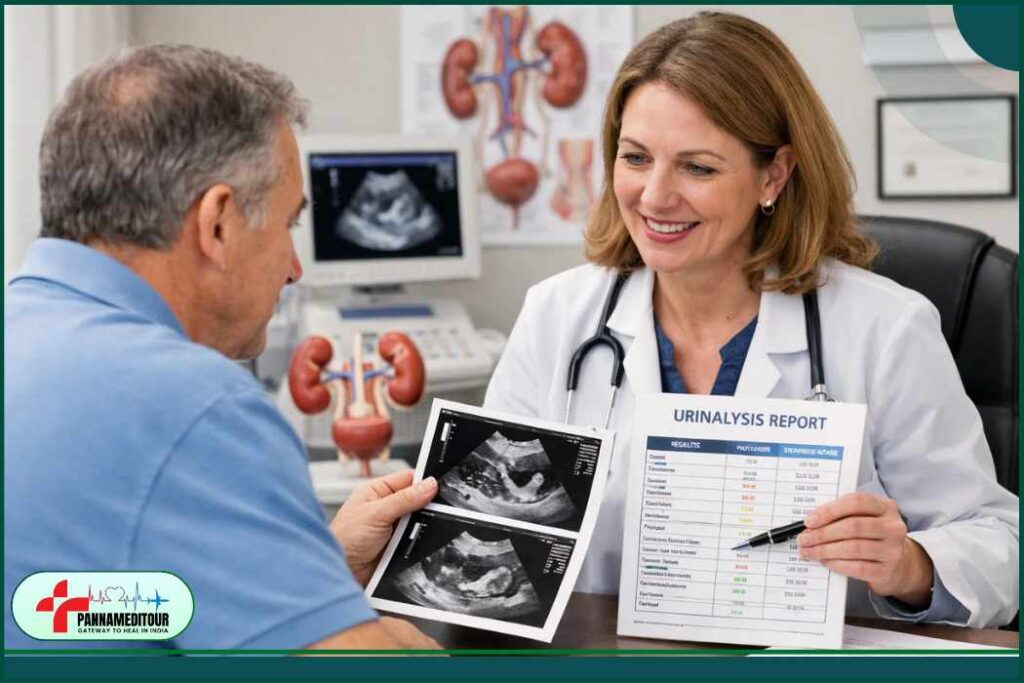
Common Diagnostic Tests
- Urine sample testing
- CT scan or ultrasound imaging
- PSA blood test
- Cystoscopy
- Urodynamic testing
Treatment Options
- Various medications
- Diet/situation changes
- Pelvic floor muscle exercises
- Minimal surgical complications
- Advanced surgery
Treatment options will vary based on the diagnosis itself, but also on how severe the diagnosis is & the general health of each particular patient.
How to Prevent Urological Diseases

Preventative care actions are:
- Hydrating consistently/inadequate amounts of fluids
- Following hygiene procedures
- Consuming food containing low salt levels
- Performing physical activity regularly
- Avoiding tobacco/nicotine products and drinking too much alcohol
- Having routine healthcare appointments/examinations
Early prevention/detection determines how well you maintain long-term urology health.
Conclusion
To preserve your urinary or reproductive health, it is important to know about some of the things that common urology diseases and symptoms can tell you about your health. Many urology-related problems are treatable and/or manageable when caught early; however, if symptoms are not taken seriously, then serious complications could arise from a lack of treatment.
It is also important to be aware of any issues or concerns with your urological system. Check with your urologist to determine what you should be doing to improve your urological health.
Medical Disclaimer
This content is for informational purposes only and should not be considered medical advice. Always consult a qualified urologist or healthcare professional for diagnosis and treatment of any urological condition.
FAQs: Common Urology Diseases and Symptoms
What are the most common urology diseases?
The most common urology diseases include urinary tract infections, kidney stones, enlarged prostate (BPH), prostate cancer, overactive bladder, urinary incontinence, and erectile dysfunction.
What are the early signs of urological problems?
Early signs include frequent urination, burning during urination, blood in urine, pelvic pain, weak urine stream, and difficulty urinating.
When should I consult a urologist?
You should see a urologist if symptoms persist, worsen, or include blood in urine, severe pain, recurring infections, or sexual dysfunction.
Are urology diseases treatable?
Yes, most urology diseases are treatable or manageable with early diagnosis, medications, lifestyle changes, or surgical intervention when necessary.
Can lifestyle changes prevent urological disorders?
Yes, staying hydrated, maintaining hygiene, eating a healthy diet, exercising, and avoiding smoking can significantly reduce the risk of urological diseases.