+91 7617005462

Chronic obstructive pulmonary disease (COPD) is a progressive lung condition that makes breathing difficult and typically becomes more worsens over time. However, quality of life can be enhanced and progression slowed with early diagnosis and an evidence-based treatment plan. Understanding COPD stages and treatment through the GOLD criteria helps map symptoms, risk of flare-ups, and the best therapies at each stage for better outcomes.
This blog explains COPD stages (mild to very severe), core and advanced treatments, lifestyle changes, and how to prevent exacerbations for long-term lung health.
What is COPD?
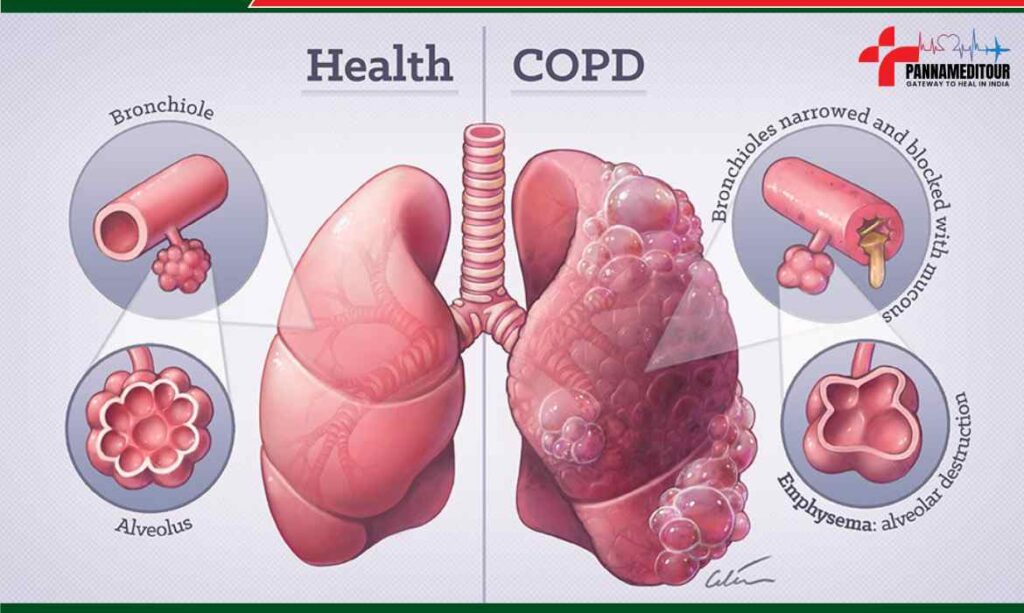
The chronic inflammatory lung condition known as COPD results in blocked lung airflow. Usually, two conditions are combined to cause it:
- Chronic Bronchitis: Inflammation of the bronchial tubes’ lining, which transports air to and from the lungs’ alveoli, or air sacs. It is distinguished by the production of mucus (sputum) and a daily cough.
- Emphysema: a disorder in which harmful exposure to cigarette smoke and other irritating chemicals and particulate matter causes the destruction of the alveoli at the end of the lungs’ tiniest air channels (bronchioles).
Common symptoms include a chronic cough, copious amounts of mucus, wheezing, tightness in the chest, and dyspnea, or shortness of breath that gets worse over time. The primary cause is smoking; other dangers include exposure to indoor biomass fuel, dust, and toxins at work, and genetic factors, including alpha-1 antitrypsin deficiency.
Also read: Difference Between Heart Bypass and Open Heart Surgery: Everything You Need to Know.
How COPD Is Staged (GOLD Criteria)
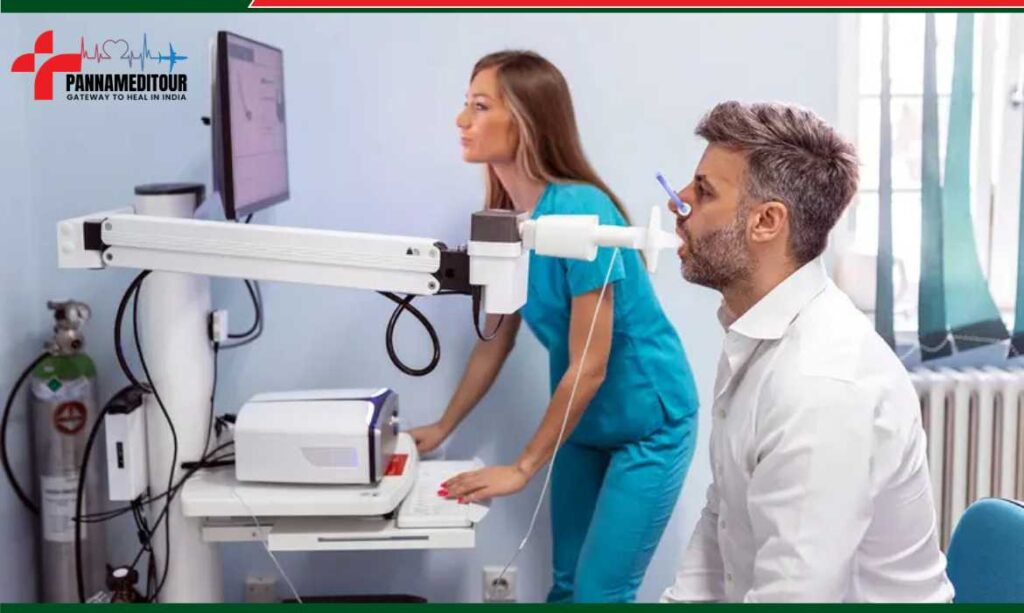
Medical practitioners use spirometry and symptoms to categorize COPD and utilize the GOLD criteria to direct treatment. In cases where the post-bronchodilator FEV1/FVC ratio is less than 0.70, spirometry, which measures FEV1 and FVC, confirms COPD.
To tailor treatment, staging incorporates exacerbation risk (Groups A–E), symptom scores (CAT/mMRC), and airflow limitation (GOLD 1-4 by FEV1% predicted).
Predicted GOLD airflow severity by FEV1%:
- Mild GOLD 1: FEV1 ≥ 80%
- Moderate GOLD 2: 50–79%
- Severe GOLD 3: 30–49%
- Very severe GOLD 4: less than 30%
Grouping symptoms and risks:
- Based on the COPD Assessment Test (CAT),
- Modified Medical Research Council (mMRC) dyspnoea scale
- Exacerbation history.
COPD Stages and Core Treatments
| COPD Stage | FEV1% Predicted | Key Symptoms | Maintenance | Add-ons/Advanced |
|---|---|---|---|---|
| Stage 1 (Mild) | ≥ 80% | Minimal symptoms, mild cough | As-needed SABA/SAMA | Vaccines, lifestyle, cessation |
| Stage 2 (Moderate) | 50–79% | Dyspnea on exertion, more cough | LABA or LAMA | Dual bronchodilator, pulmonary rehab |
| Stage 3 (Severe) | 30–49% | Frequent exacerbations, fatigue | LABA + LAMA | Consider ICS, oxygen assessment |
| Stage 4 (Very Severe) | < 30% | Dyspnea at rest, complications | LABA + LAMA ± ICS | LTOT, NIV, LVRS/bullectomy/transplant |
Treatments Across All Stages (Core Pillars)
Inhaled corticosteroids, bronchodilators, vaccinations, and quitting smoking are among the building blocks that promote more stable breathing and fewer flare-ups.
Bronchodilators:
- LABA/LAMA for maintenance; SABA/SAMA for immediate relief; combo inhalers enhance results and adherence.
Inhaled corticosteroids:
- Not for everyone; keep an eye out for pneumonia risk; take into account strong eosinophils, frequent exacerbators, or asthma-COPD overlap.
Vaccinations:
- Pneumococcal and influenza vaccines to reduce hospitalization and exacerbation risk.
Smoking cessation:
- The deterioration in lung function is considerably slowed by behavioural assistance, NRT, varenicline, or bupropion.
Inhaler technique and adherence:
- To guarantee dosage administration and reduce adverse effects, do routine inspections.
COPD Prevention and Lifestyle Changes
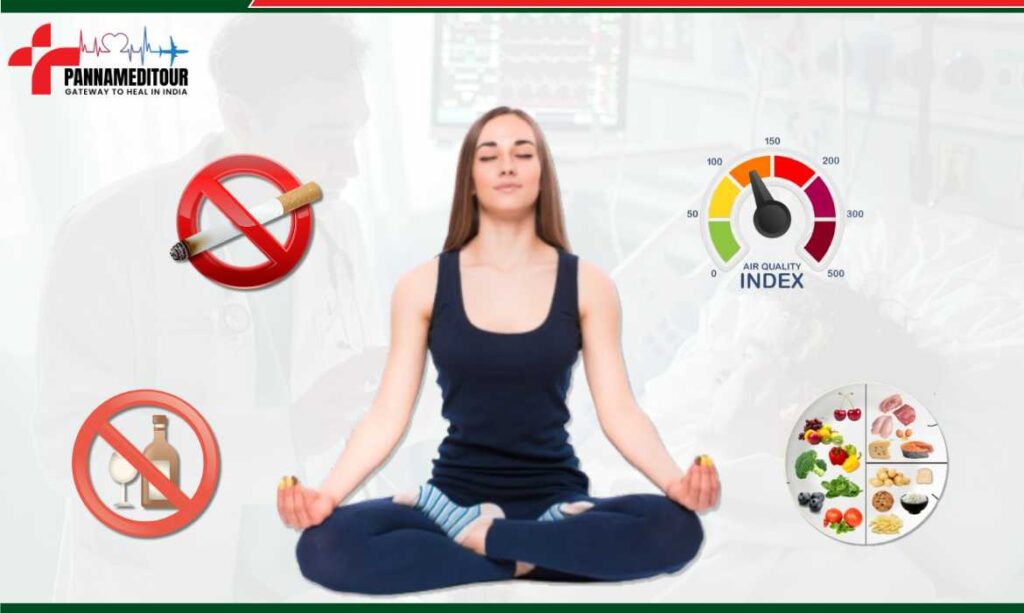
- Stay away from tobacco smoke and secondhand smoke; think about proven quitting programs.
- Minimize exposure to dust, fumes, and biomass fuels; when necessary, use ventilation and masks.
- Adopt indoor air quality controls (filters, humidity), keep an eye on the air quality index, and refrain from exerting yourself outside on days with heavy pollution.
COPD Prognosis and Life Expectancy by Stage
- The prognosis differs depending on the stage, frequency of exacerbations, comorbidities, and compliance with treatment and lifestyle modifications.
- After being diagnosed, many patients continue to survive for years or even decades, particularly if they receive early treatment, vaccinations, rehabilitation, quit smoking, and exacerbation prevention.
- Beyond FEV1 alone, tools such as the BODE index (BMI, airflow obstruction, dyspnea, exercise capacity) help to refine risk.
Also read: Unlocking a Healthier Life: Nourishing Your Organs with the Right Diet.
Self-Management: COPD Action Plan
To lower the chance of an exacerbation, use a systematic, clinician-approved plan to direct patient monitoring, rescue treatment, and prompt escalation.
- Make early contact with the care team; depending on symptoms, brief doses of oral steroids and/or antibiotics may be recommended.
- As instructed, use quick-relief inhalers more regularly; if oxygen is provided, follow its instructions.
- Recognize the signs of severe dyspnea, bluish lips, disorientation, or persistently low oxygen saturations to determine when immediate medical attention is required.
Oxygen and advanced interventions
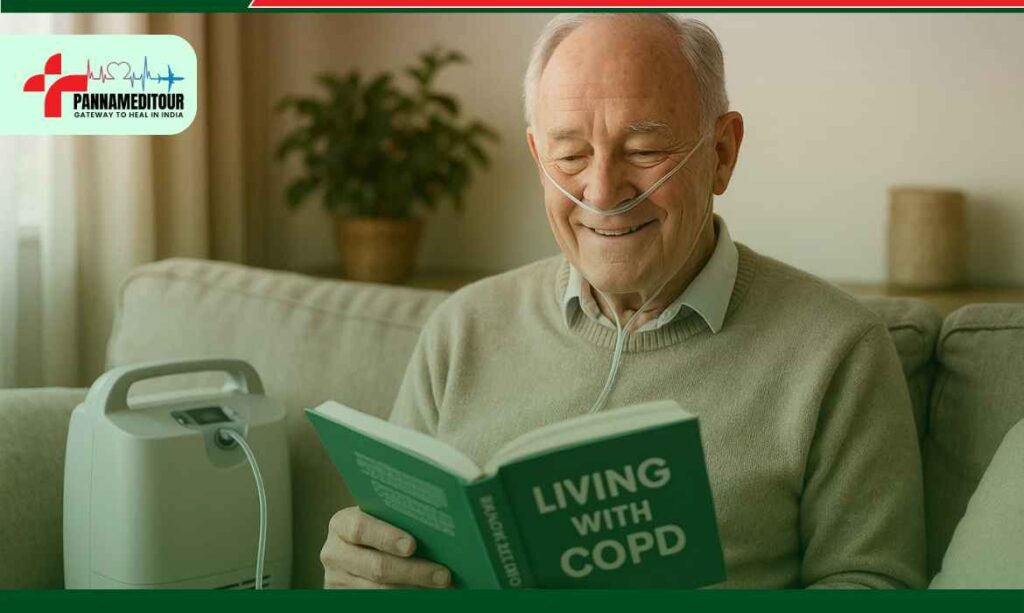
In many cases, operations such as LVRS or bullectomy, along with long-term oxygen therapy, can significantly alleviate symptoms when oxygen levels remain low.
- Oxygen therapy: For those who are eligible, LTOT can increase vitality and survival; at-home safety is essential (no smoking, be cautious near flames).
- Non‑invasive ventilation: An expert will advise on how to treat sleep-disordered breathing or chronic hypercapnia.
- Surgery: A transplant is an option for a small group of individuals following careful evaluation; LVRS can help certain patients with upper-lobe-predominant emphysema; and bullectomy helps when enormous bullae trap air.
Conclusion
Living well with COPD starts with understanding the journey, and that’s exactly what COPD stages and treatment help clarify: what symptoms to expect, which inhalers and therapies work best, and how to prevent flare‑ups before they start.
People can breathe easier and remain active for longer with a customized approach that includes bronchodilators, pulmonary rehabilitation, immunizations, quitting smoking, and prompt oxygen or surgery alternatives for advanced disease. Focusing on COPD stages and therapy is the best first step for anyone looking for a clear road forward. This will improve control, reduce flare-ups, and improve quality of life.
Faq’s (Frequently Asked Questions)
1. Can COPD be controlled?
Bronchodilators and steroids or nonsteroid medications that lower inflammation are among the medications used to treat the symptoms of COPD.
2. What is the best treatment for COPD?
While there are many different approaches to treating COPD, the “best” ones usually involve pulmonary rehabilitation, bronchodilator inhalers, and sometimes oxygen therapy for low blood oxygen levels.
3. What stage of COPD requires a nebulizer?
Your doctor can suggest a bronchodilator drug to open up your lungs’ airways if you have stage 1 COPD. These drugs are often administered using a nebulizer or inhaler.
4. What is the best treatment for COPD?
Long‑acting bronchodilators (LABA/LAMA) are core; add ICS for frequent exacerbations, and include pulmonary rehab, vaccines, and smoking cessation. Oxygen or surgery are options for advanced disease.
5. Can COPD be reversed?
Not fully, but with the right plan, symptoms can improve, flare‑ups can drop, and progression can slow.
6. What are the four stages of COPD?
(GOLD 1), Moderate
(GOLD 2), Severe
(GOLD 3), Very Severe
(GOLD 4), based on spirometry plus symptoms and recent flare‑ups.